Loading course…
Comparison in the Period from c. 1200 to c. 1450
Created by Shaunak Ghosh
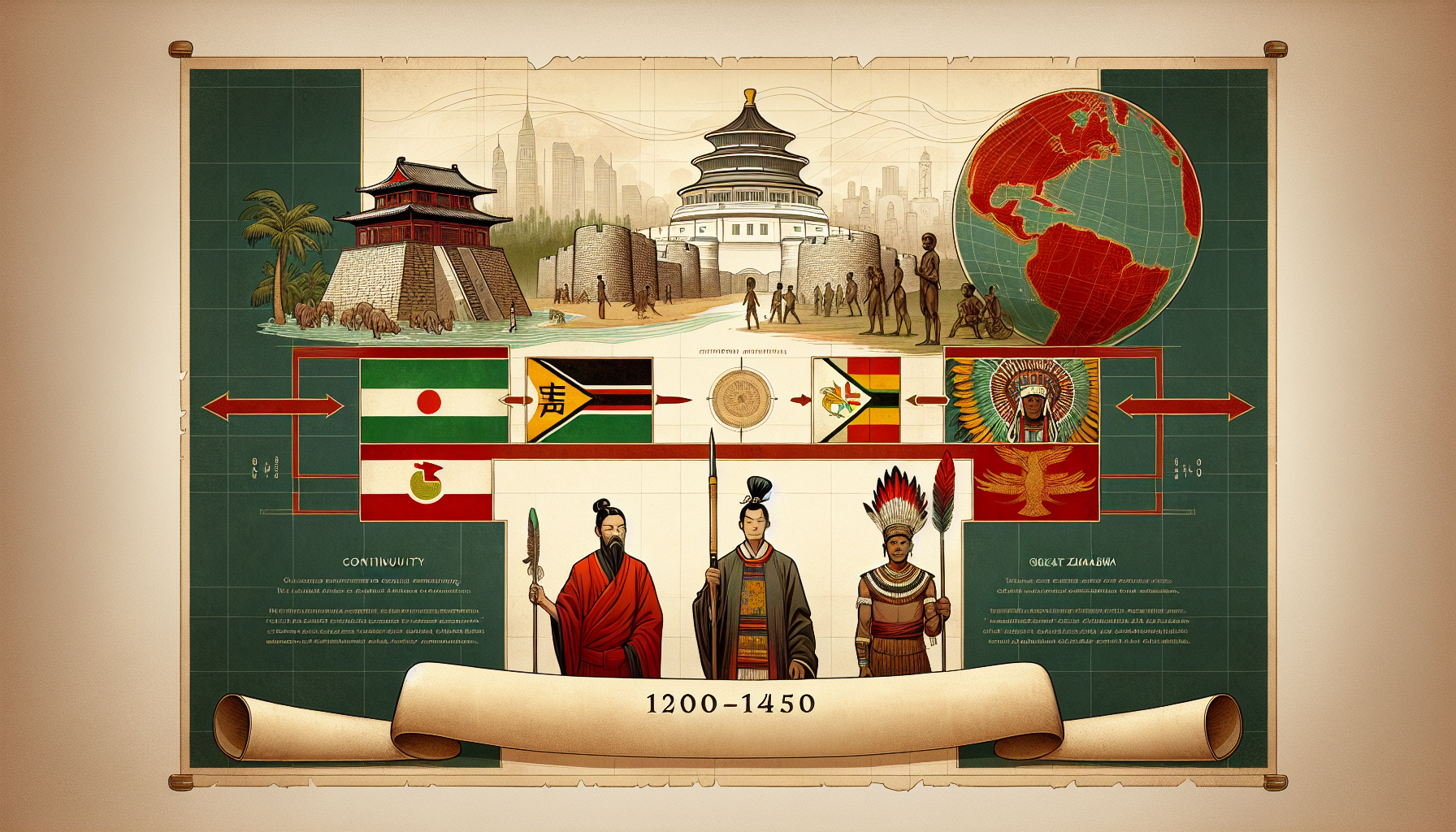
Explore how civilizations from China to the Andes built, maintained, and reinvented political power between 1200-1450. You’ll master a historian’s framework for spotting continuity, innovation, and diversity, then practice crafting AP-ready comparative arguments.
Requirements
- Basic map skills of Afro-Eurasia & Americas
- Familiarity with the idea of an empire or dynasty
- Comfort reading short historical narratives
What you'll learn
- Apply continuity, innovation, and diversity categories to multiple 1200-1450 states.
- Generate a comparative thesis that meets AP World History rubric.
- Cite cross-regional similarities and contrasts using concrete evidence.
Learning path
7 modules • Each builds on the previous one
1
Continuity and Innovation Framework
Introduces how historians evaluate continuity, innovation, and diversity in state formation and why these categories matter for AP comparisons.
1 video5 min
2
Abbasid Fragmentation & Turkic States
Explores how Seljuk, Mamluk, and Delhi Sultanates emerged from Abbasid decline, retaining Islamic traditions while introducing Turkic military and administrative innovations.
1 video5 min
3
Song Confucian Bureaucracy Governance
Investigates how the Song Dynasty blended long-standing Confucian civil service with new economic policies, sustaining and innovating imperial rule.
1 video5 min
4
Hindu–Buddhist States in Asia
Analyzes Vijayanagara, Khmer, and Majapahit empires, emphasizing religious syncretism and diverse governance models in South and Southeast Asia.
1 video6 min
5
Mexica and Inca State Systems
Details administrative, military, and tribute structures of the Mexica (Aztec) and Inca empires, noting innovations like the mita system and ritual warfare.
2 videos14 min
6
African States: Zimbabwe & Hausa
Examines Great Zimbabwe and Hausa city-states, focusing on indigenous governance, Islamic influences, and trade networks as drivers of state growth.
1 video6 min
7
Comparative State Formation Synthesis
Synthesizes patterns across all regions, guiding learners to articulate key similarities and differences in continuity, innovation, and diversity from 1200-1450.
1 video6 min
Start Learning
Begin your learning journey
Modules7
Duration43 min
Science-backed learning
In-video quizzes and scaffolded content to maximize retention.
Key concepts
Continuity Vs. Innovation FrameworkAbbasid Fragmentation And Turkic GovernanceConfucian Bureaucracy In Song China