Loading course…
Developments in East Asia from c. 1200 to c. 1450
Created by Shaunak Ghosh
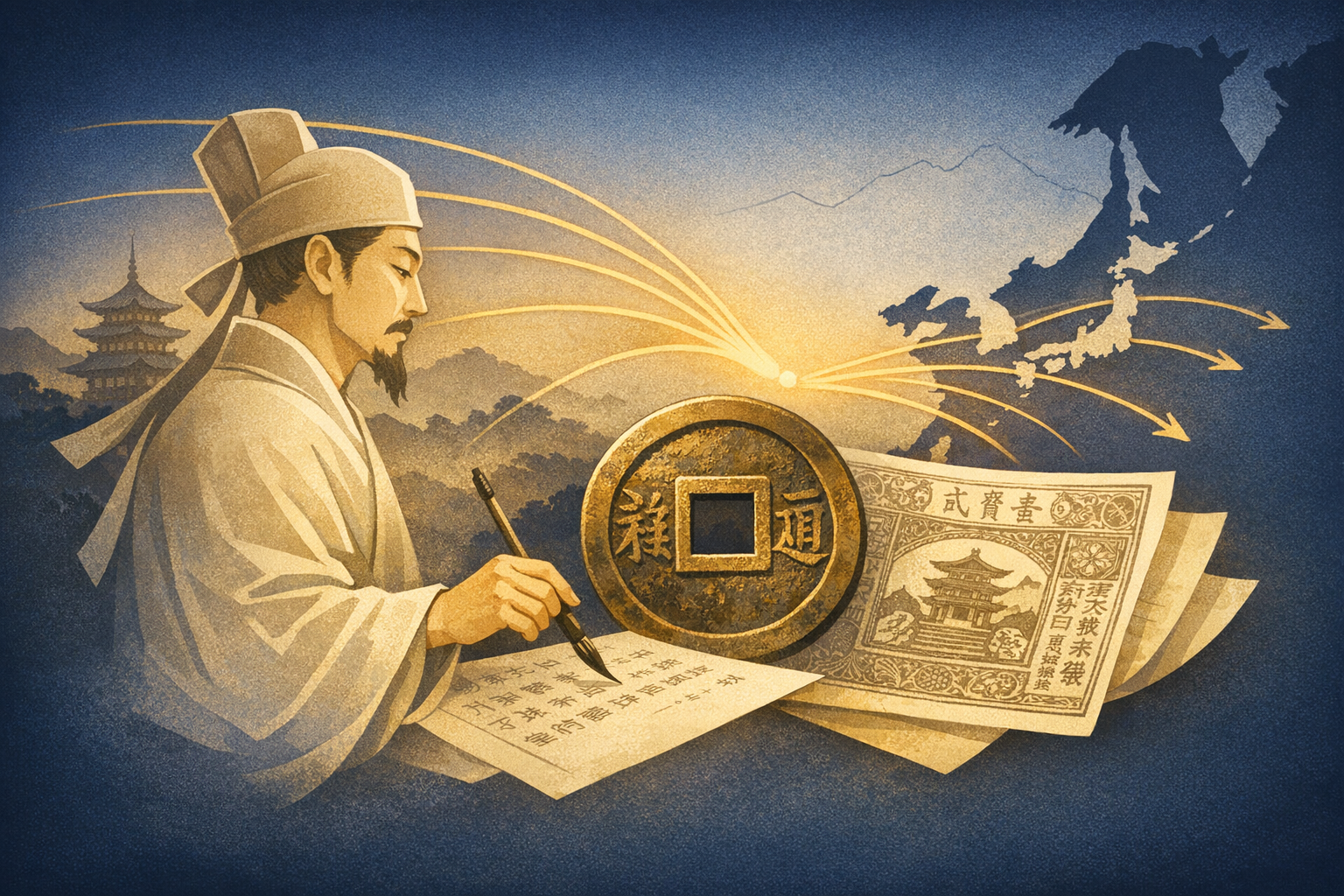
Explain how the Song Dynasty justified and maintained rule through Confucian/Neo-Confucian ideology and an exam-based imperial bureaucracy. Trace how Chinese cultural traditions and Buddhism shaped East Asian societies through diffusion, adaptation, and syncretism. Connect Song-era commercialization to specific innovations that increased productive capacity and transformed money and markets.
Requirements
- Basic 1200–1450 timeline awareness (medieval/early modern boundaries)
- Basic map literacy of East Asia (China, Korea, Japan, Vietnam)
- General idea of what a state/government does (taxes, officials, legitimacy)
- Comfort with analyzing cause-and-effect in history (not just memorizing facts)
What you'll learn
- Situate Song China in the 1200–1450 period and explain what AP World means by ‘state formation’ using continuity/innovation language.
- Explain how Confucian and Neo-Confucian values supported political legitimacy and social hierarchy in Song China.
- Describe how the civil service examination system staffed an imperial bureaucracy and increased state capacity, including key limitations.
Learning path
8 modules • Each builds on the previous one
1
Song China in 1200–1450 context
Situate the Song (especially Southern Song) within the larger 1200–1450 era: regional rivals, internal priorities, and what “state formation and development” means in AP World terms (continuity, innovation, diversity).
1 video8 min
2
Confucianism and Neo-Confucian statecraft
Explain how Confucian and Neo-Confucian ideas justified rule: moral hierarchy, filial piety, social order, and the ruler’s duty—plus why Neo-Confucianism became influential among elites in the Song.
1 video6 min
3
Imperial bureaucracy and civil service exams
Show how the Song used an imperial bureaucracy—staffed through civil service exams based on Confucian texts—to govern large populations, collect taxes, and standardize administration (with limits and elite capture).
1 video9 min
4
Chinese influence on East Asia neighbors
Trace how Chinese traditions shaped Korea, Japan, and Vietnam through selective adoption: writing systems, Confucian education and bureaucracy, legal ideas, Buddhism, and diplomatic patterns (often via tribute-like relations).
1 video7 min
5
Buddhism: core beliefs and branches
Define Buddhism’s core ideas (Four Noble Truths, Eightfold Path, karma, samsara, nirvana) and distinguish major branches and schools relevant to 1200–1450 Asia (Theravada, Mahayana, Vajrayana, Chan/Zen, Pure Land).
1 video7 min
6
Buddhism shaping societies in Asia
Explain how Buddhism continued to shape Asian societies through monastic institutions, state patronage, art/learning, moral authority, and syncretism—while also facing critiques (e.g., Confucian revival) and regional variation.
1 video8 min
7
Song commercialization: markets, cities, money
Explain why the Song economy became increasingly commercialized: urban growth, expanded marketplaces, monetized taxes, credit, and paper money—linking state capacity and market integration without assuming modern capitalism.
2 videos12 min
8
Innovation, productivity, and trade networks
Connect innovations in agriculture and manufacturing to increased productive capacity and expanding trade networks (overland and maritime): explain the causal chain from higher yields and outputs to market growth, tax revenue, and wider exchange.
1 video4 min
Start Learning
Begin your learning journey
Modules8
Duration58 min
Science-backed learning
In-video quizzes and scaffolded content to maximize retention.
Key concepts
AP Unit 1 State-Building Lens (1200–1450)Song China’S Legitimacy And Governance PrioritiesConfucian Moral Hierarchy (Ren, Li, Xiao) As Political Order