Loading course…
The Dopamine Trap: Apps Hook Your Brain
Created by Shaunak Ghosh
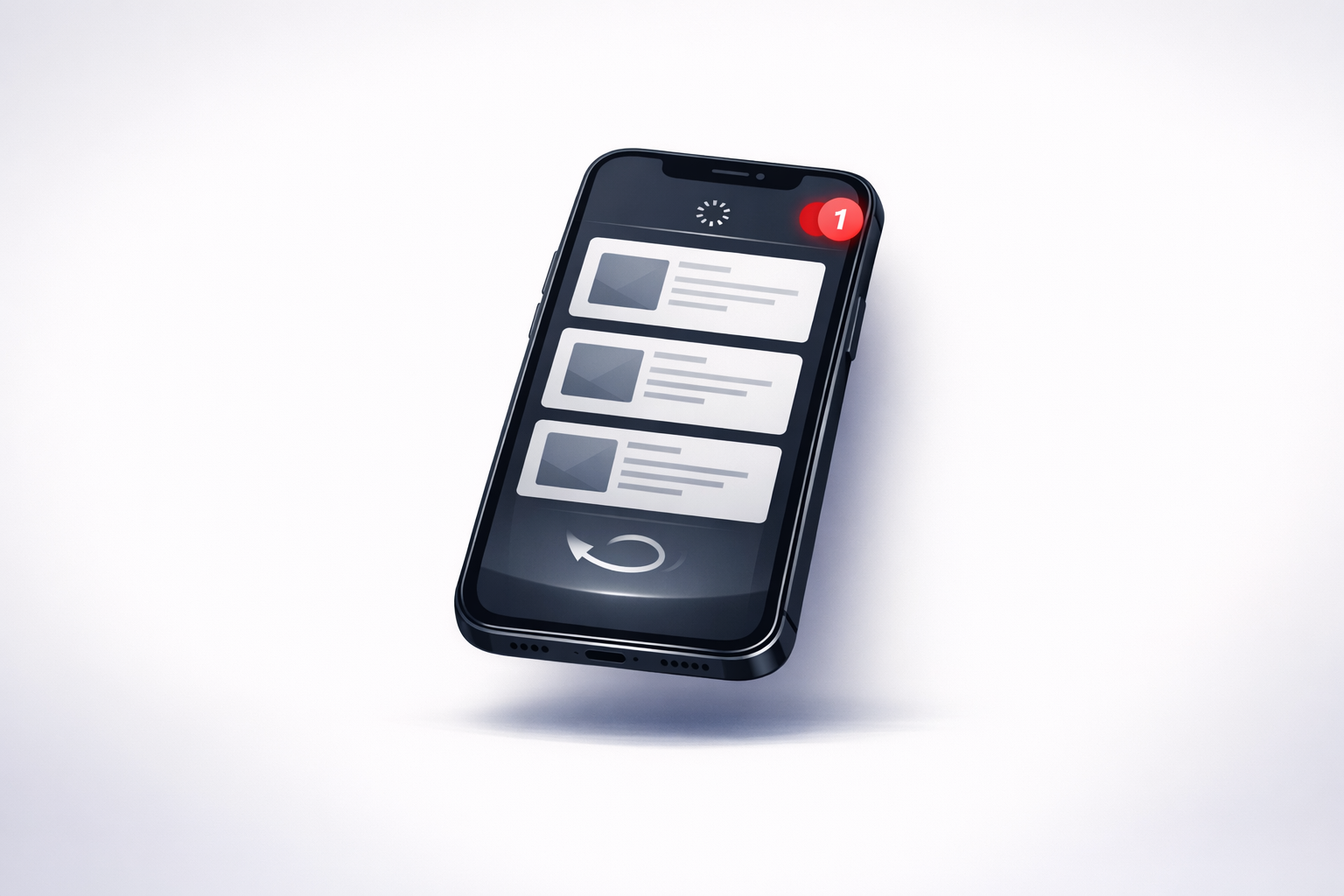
You’ll learn how common app features are engineered to shape attention and behavior—often in ways that benefit the business more than the user. By the end, you’ll be able to spot dark patterns, explain the psychology behind variable rewards, and critique (or redesign) infinite feeds, notification systems, pull-to-refresh, and gamified features more ethically.
Requirements
- Comfort using common apps (feeds, notifications, refresh gestures)
- Basic idea that habits form through cues and rewards
- Willingness to analyze product design incentives (engagement vs user benefit)
What you'll learn
- Define dark patterns and distinguish them from ethical persuasive design using intent, transparency, and user harm.
- Explain how variable rewards and reward-learning mechanisms can train repeated checking behaviors in apps.
- Analyze infinite scroll, notifications, and pull-to-refresh as designs that alter stopping cues and cue frequency—and propose less-manipulative alternatives.
Learning path
6 modules • Each builds on the previous one
1
Dark patterns and persuasive UX basics
Define “dark patterns” and distinguish them from general persuasive design. Learn a few common categories (obstruction, sneak into basket, nagging, interface interference) and how to spot intent and user harm.
1 video6 min
2
Dopamine and variable reward loops
Learn how reward prediction, uncertainty (variable rewards), and habit loops (cue → craving → response → reward) make certain app interactions compelling. Clarify common misconceptions: dopamine is more about “wanting/learning” than simple pleasure.
1 video4 min
3
Infinite scroll and endless content feeds
Analyze how infinite scroll removes stopping cues and turns content into a continuous “maybe the next one is better” reward stream. Connect design choices (autoplay, recommendations) to attention, time-on-task, and loss of self-regulation cues.
1 video5 min
4
Red notifications and urgency triggers
Learn why notification badges are often red and how salience, interruption, and social reward cues drive checking. Cover urgency design (counts, unread dots), intermittent timing, and how notifications create repeated cues in the habit loop.
1 video6 min
5
Pull-to-refresh and slot-machine mechanic
See how pull-to-refresh combines user effort with unpredictable outcomes—similar to a slot machine pull—creating a tight action→uncertainty→reward cycle. Connect micro-interactions (spinner, haptics, new content) to variable reinforcement.
1 video3 min
6
Gamification: turning life into a game
Understand core gamification tools (points, streaks, badges, levels, leaderboards) and when they become manipulative. Learn ethical alternatives: user-aligned goals, friction by design, transparent choice, and “humane” success metrics beyond engagement.
1 video6 min
Start Learning
Begin your learning journey
Modules6
Duration26 min
Science-backed learning
In-video quizzes and scaffolded content to maximize retention.
Key concepts
Dark Patterns Vs Ethical PersuasionObstruction And Misdirection Tactics In UXHabit Loops And Cue-Driven Checking