Loading course…
Build and Launch Viral MCP Bots
Created by Shaunak Ghosh
Reverse-engineer what makes MCP bots shareable, then design, build, harden, and distribute your own MCP server. By the end, you will have a publishable MCP bot with a crisp demo, reliable tool contracts, and a practical launch plan for community adoption.
Requirements
- Strong backend development fundamentals (APIs, error handling, logging)
- Comfort with JSON schemas, typing, and validation
- Working knowledge of Docker and local dev tooling
- Basic understanding of LLM tool-calling and auth tokens
What you'll learn
- Reverse-engineer and articulate the virality loop for an MCP bot, including a one-sentence positioning and a short demo script.
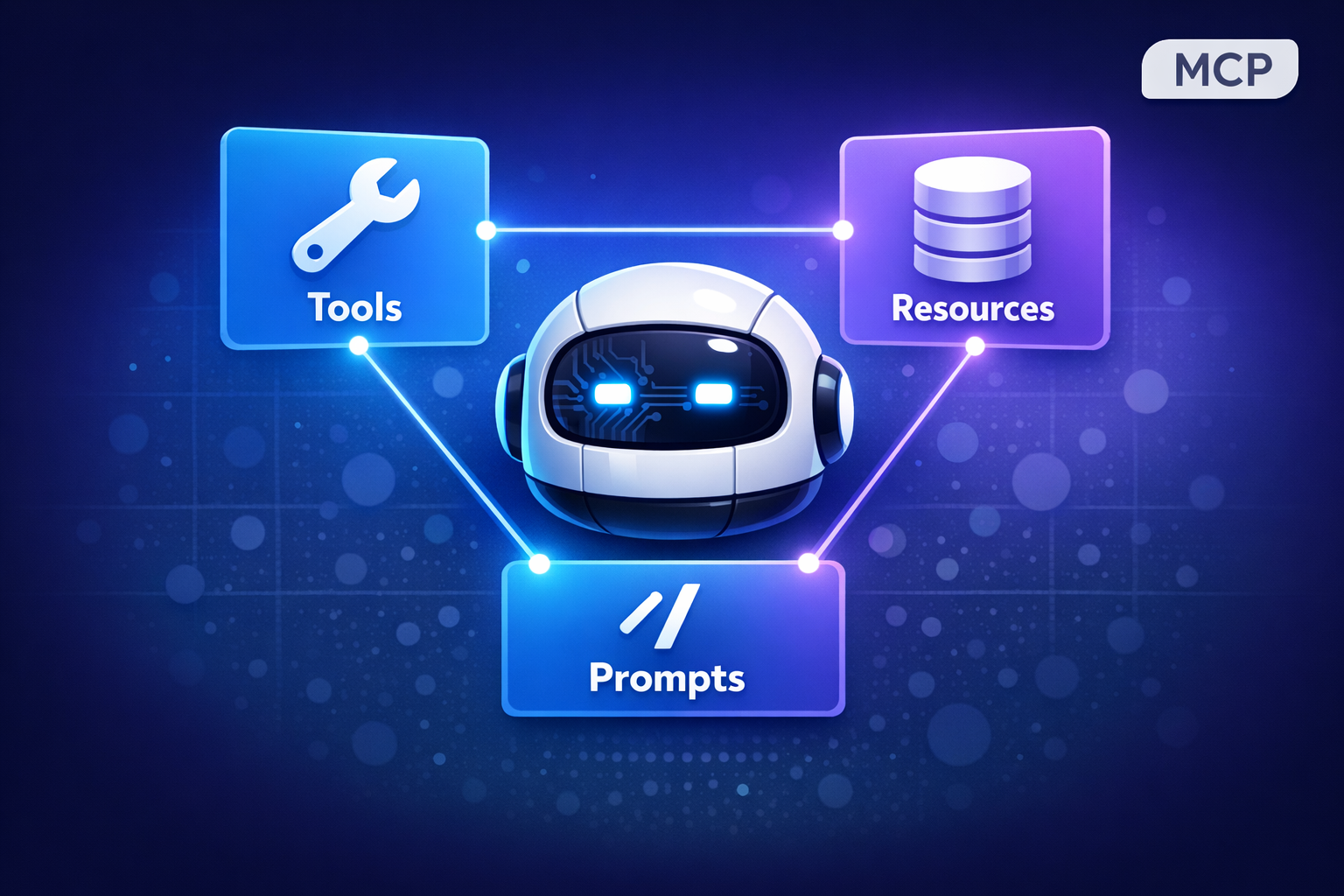
- Design an MCP server surface with the right split of tools, resources, and prompt templates, using explicit schemas and naming for reliable tool choice.
- Implement a working MCP server with at least one real integration, using safe secrets handling and minimal, high-UX tool scope.
Learning path
8 modules • Each builds on the previous one
1
Clawdbot/Moltbot virality case studies
Reverse-engineer why Clawdbot/Moltbot-style MCP bots get shared: the problem they solve, the “aha” demo moment, and the distribution loop that turns utility into virality.
2 videos7 min
2
MCP protocol essentials for bot builders
Learn the MCP building blocks you must implement and design around: server/client roles, tools vs resources vs prompts, schemas, transports, and lifecycle considerations.
2 videos8 min
3
Picking viral-worthy MCP problems
Choose a problem that is painful, common, and demoable in minutes—while being feasible with MCP constraints (auth, data access, safety). Validate with lightweight community signals.
2 videos8 min
4
Designing MCP tools, resources, prompts
Design the MCP surface area that makes your bot feel “smart”: tool contracts, resource models, prompt templates, naming conventions, and guardrails for safe usage.
1 video6 min
5
Implementing an MCP bot from scratch
Build the minimal functional MCP server: project structure, tool handlers, resource endpoints, prompt templates, configuration, auth/secrets handling, logging, and rate limiting.
2 videos9 min
6
Testing and debugging MCP bot behavior
Make your MCP bot reliable: contract tests for tool schemas, mock clients, golden test cases, structured error reporting, observability, and debugging tool-call loops.
2 videos9 min
7
Packaging, docs, and distribution strategy
Prepare your MCP bot for adoption: packaging formats, versioning, installation paths, configuration UX, security notes, and a README that enables a 5-minute success demo.
2 videos11 min
8
Launch, marketing, and community iteration
Ship your bot into the community: create a launch narrative, demo assets, issue templates, feedback loops, and a roadmap cadence that converts early users into advocates.
1 video5 min
Start Learning
Begin your learning journey
Modules8
Duration60 min
Science-backed learning
In-video quizzes and scaffolded content to maximize retention.
Key concepts
Virality Levers: Time-To-Value, Demoability, Share TriggersMCP Architecture And Primitives (Tools, Resources, Prompt Templates)Transports, Lifecycle, And Deployment Constraints